Lalitha Sahasranamam Telugu PDF: Complete Guide for Download and Study
A comprehensive guide to finding, verifying, and using a Lalitha Sahasranamam Telugu PDF, with practical tips for accessibility, ethics, and study purposes by PDF File Guide.


According to PDF File Guide, a reliable Lalitha Sahasranamam Telugu PDF comes from official temple sites or trusted publishers and uses a clear Telugu text with embedded fonts. This quick guide shows how to identify authentic sources, ensure text readability, and responsibly use the PDF for study and recitation while avoiding copyright issues.
What is Lalitha Sahasranamam Telugu PDF
The Lalitha Sahasranamam is a revered liturgical text that enumerates a thousand names of Goddess Lalita. A Telugu PDF version typically renders the script in native Telugu, sometimes alongside transliteration or translation. In practice, a reliable lalitha sahasranamam telugu pdf helps devotees and scholars study pronunciation, meaning, and sequence, while preserving the integrity of the verses. Readers should be mindful that there are multiple printings and transcriptions; the Telugu script may reflect regional spelling conventions or font choices. When a PDF is labeled as Telugu, it should present clear glyphs for each character and avoid ambiguous diacritics that could alter pronunciation. A high-quality file often includes a readable text layer, searchable content, and embedded fonts to preserve formatting across devices. In this context, the Telugu version should remain faithful to tradition while supporting modern study methods.
According to the PDF File Guide team, accuracy in this text supports devotional practice and scholarly study, so selecting a credible source is part of responsible reading.
Why a Telugu PDF matters for practitioners
For practitioners who read or recite in Telugu, a PDF file is a portable, durable medium that works offline, without relying on internet access. A well-structured lalitha sahasranamam telugu pdf helps with memorization, rhythm, and correct pronunciation. A clean layout—consistent line breaks, proper diacritics, and legible Telugu fonts—reduces cognitive load during study sessions. The Telugu script should render consistently on common devices, including tablets and e-readers, enabling long study sessions without eye strain. PDF files also support annotations, bookmarks, and search, which can be essential for difficult sections or when cross-referencing commentaries. The PDF File Guide analysis notes that readers benefit from source-trusted PDFs that provide clear text and minimal layout noise, making study more efficient and recitation more accurate. Such resources empower both beginners and seasoned devotees to deepen their understanding while maintaining reverence for the material.
How to verify authenticity of a PDF resource
Authentic Lalitha Sahasranamam Telugu PDFs typically originate from official temple portals, established publishers, or recognized scholarly projects. Start by confirming the publisher, looking for temple logos, publisher identifiers, or a stated copyright. Check for a stable digital fingerprint or watermark and compare the text with trusted renditions of the text in Telugu script. If a file lacks metadata, font details, or a visible publisher, treat it with caution. Cross-check a few verses against a reputable printed edition or a trusted temple website. For the serious learner, compare transliteration and translation notes across multiple sources to ensure consistency. PDF File Guide’s guidance emphasizes that reliable sources minimize inconsistencies in vowels and consonants, which is crucial for accurate recitation and interpretation. Always ensure you are using a version that aligns with your devotional or academic goals.
Legal and ethical considerations
Copyright and permissions govern how devotional texts are shared and used. A Telugu PDF of Lalitha Sahasranamam should be accessed legally and used within the terms set by the publisher or temple authority. Educational and devotional use is typically allowed within reasonable limits, but redistribution, modification, or commercial use may require explicit permission. When you download any PDF, respect the creator’s rights, avoid pirated copies, and avoid removing watermarks or changing attributions. If you plan to share excerpts or convert the file for accessibility, check the licensing terms and seek author consent if necessary. The PDF File Guide team recommends supporting authors and institutions that preserve textual integrity, so your usage aligns with ethical and legal standards while enabling broader accessibility for study and devotion.
Practical tips for using the Telugu PDF in study
Create a study plan that aligns with your routine. Start with a gentle read-through to become familiar with the Telugu pronunciation and cadence, then gradually perform a line-by-line recitation. Use bookmarks to navigate sections, enable text search for key names, and annotate with your own pronunciation notes. For devotional study, pair the Telugu PDF with a commentary and a Tamil or Sanskrit reference to reinforce understanding. If you study with peers, share insights responsibly and discuss translations and equivalents, while preserving the original script. Regular, mindful practice yields better retention and deeper appreciation of the Lalitha Sahasranamam’s poetic devotion.
Accessibility and formatting considerations in PDFs
Accessibility hinges on the presence of a proper text layer and legible Telugu fonts. A good lalitha sahasranamam telugu pdf should be Unicode-compliant, allowing screen readers to render each character. When fonts are missing or garbled, switch to a file that embeds fonts or uses a widely supported Telugu font. Use PDFs with semantic structure, such as heading levels and logical paragraph sequences, to support navigation. For offline study, ensure the document is searchable and that the text reflows appropriately on smaller screens. If you must convert the PDF for e-reading, preserve headings, avoid image-only pages, and retain the original syntax as much as possible. The PDF File Guide suggests prioritizing accessibility features to enhance learning and devotional practice for a broader audience.
How to convert or annotate a Lalitha Sahasranamam PDF
Annotation helps with pronunciation and meaning. Use a trusted editor, like Adobe Acrobat, Foxit, or Preview, to highlight verses, insert pronunciation notes, and add bookmarks. When converting, choose lossless formats that keep the Telugu text intact and fonts embedded. If you export to text or Epub, review diacritics and spacing to ensure readability. For group study, share annotated copies and centralize notes to avoid confusion. Always verify that the converted file preserves the original order and stanza breaks to maintain the integrity of the recitation sequence.
Common issues and troubleshooting
Common problems include font mismatches, garbled characters, or missing text layers. Start by verifying font embedding and ensuring the file uses a standard Telugu font. If text is non-searchable, the PDF may be image-based; use OCR-aware tools to add a text layer or choose a text-based file from a credible source. Rendering issues can also appear on unusual devices; test the PDF across multiple platforms to confirm consistent typography. For accessibility, always prefer PDFs with proper tagging and alternative text for images or diagrams. In the event of recurring issues, consult the publisher’s support or seek an alternative from a trusted temple resource as recommended by PDF File Guide.
Downloading, storage, and updates
Download from official temple portals or recognized publishers whenever possible. After download, verify the file’s integrity with checksums or publisher notices if available. Store the PDF in a dedicated devotional folder with a descriptive filename and date. Maintain backups on a cloud service or separate drive to guard against data loss. If newer revisions are released, compare the texts for consistency and adopt updated versions to ensure accuracy in recitation and study. The goal is a secure, organized, and up-to-date Telugu resource that respects authorship and devotional practice.
Key considerations for Lalitha Sahasranamam Telugu PDFs
| Aspect | Telugu PDF Notes | Best Practice |
|---|---|---|
| Source reliability | Cross-check with temple sites or publishers | Prefer official temple portals or recognized publishers |
| Accessibility | Text layer and font encoding affect search and screen readers | Choose PDFs with embedded text and proper Telugu fonts |
| Device compatibility | Desktop, tablet, mobile viewing | Use PDFs optimized for cross-device use |
Questions & Answers
Where can I legally download a Lalitha Sahasranamam Telugu PDF?
Legitimate downloads come from official temple portals or recognized publishers. Avoid pirated copies and verify publisher information before downloading. If in doubt, consult the temple's official resources or the PDF File Guide recommendations.
Legitimate sources include official temple sites or reputable publishers. Avoid pirated copies.
What should I check for in a Telugu font in the PDF?
Ensure the PDF uses a proper Telugu Unicode font and includes a text layer for searchability. Embedded fonts help preserve accuracy across devices and viewers.
Look for Unicode Telugu fonts and an embedded text layer for reliability.
Does the Telugu PDF include translations or commentary?
Some PDFs include transliteration or translation notes alongside the Telugu text. Check the file description or publisher notes to confirm what is included.
Many PDFs include notes or translations; verify what's included before download.
Can I convert the Telugu PDF to other formats?
Yes, you can convert to formats like EPUB or plain text, but ensure the conversion preserves Telugu typography. Use reputable tools and review diacritic accuracy afterward.
You can convert, but check typography and diacritics afterwards.
Are free Telugu PDFs reliable and safe to download?
Free resources exist, but quality varies. Prioritize files from official sources and trusted publishers to avoid misinformation or corrupted fonts.
Free doesn't always mean reliable—use official sources when possible.
What if I encounter font rendering issues on my device?
Try a PDF with embedded fonts or switch to a different app that handles Telugu rendering well. Ensure the file remains readable and searchable after adjustments.
Switch to embedded fonts or another reader if rendering fails.
“A well-structured Telugu PDF of Lalitha Sahasramam supports accurate recitation and study; ensure you have reliable text alignment and proper font embedding.”
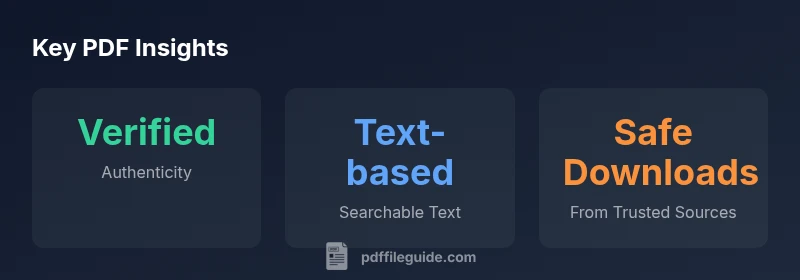
Key Takeaways
- Verify source before download
- Prefer text-based PDFs for accessibility
- Check font embedding to preserve diacritics
- Respect copyright and usage rights
- Use secure storage and backups