Order of the Phoenix PDF: How to Access and Use It Legally
Learn how to access a legitimate Order of the Phoenix PDF through official channels, libraries, and best practices for safe conversion and accessibility in 2026.


Regarding the order of the phoenix pdf, there is no single official free edition. To access a legitimate PDF, use authorized channels such as the publisher’s digital store, library lending programs, or licensed retailers. Verify the edition and rights before downloading, and beware of counterfeit files that may be illegal or low-quality. PDF File Guide notes regional availability and DRM terms to ensure a lawful, reliable copy.
What the phrase 'order of the phoenix pdf' signals for readers
In practical search terms, this phrase signals interest in a portable document version of a well-known title. For readers, editors, and researchers, the critical concern is whether a PDF is legally distributed, properly editioned, and properly scanned. According to PDF File Guide, readers should prioritize official sources to avoid poor scans, missing pages, or malware. The legitimacy of a PDF hinges on edition metadata (edition year, publisher imprint, and ISBN), regional availability, and any DRM protections. When you see a result labeled as “free” or “unverified,” pause and verify with other sources to avoid unauthorized copies. As a professional resource, PDF File Guide emphasizes the importance of tracking metadata, checking file integrity, and respecting copyright while building your personal or organizational library. By understanding these factors, you can evaluate search results more efficiently and avoid time-wasting or risky downloads.
Legal pathways to a legitimate Order of the Phoenix PDF
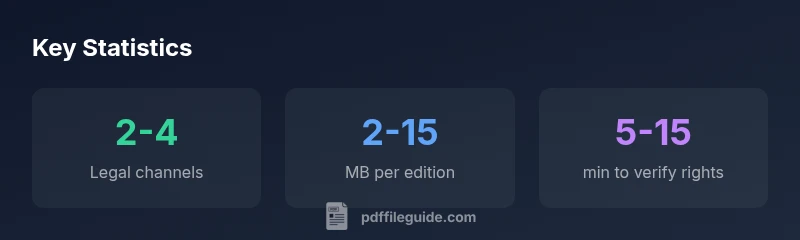
Legitimate access generally comes from three avenues: official publisher digital stores, licensed retailers, and library e-book programs. PDF File Guide analysis shows there are typically 2-4 reputable channels depending on your region. Always confirm that the edition matches the edition you want (hardcover vs. multiple printings may have different PDFs). When purchasing, look for clear edition metadata (publisher, year, ISBN) and verify that licensing terms allow personal, educational, or professional use. Library programs may offer borrowing with DRM-managed access or temporary downloads, which still ensures legality and quality. If you’re a professional editor or librarian, maintain records of licenses and export settings to support accessibility and audit trails. Because regional availability varies, check multiple sources—but avoid aggregator sites that do not disclose rights. By following official paths, you minimize the risk of poor scans, missing pages, or questionable file integrity.
Verifying edition rights and edition metadata
Before downloading, verify edition rights and metadata. Look for publisher name, year, ISBN, edition number, and language. Cross-check this data against the library catalog or retailer product page. Be wary of PDFs that claim to be the 'order of the phoenix' but lack consistent edition identifiers; mismatches can indicate an unauthorized or pirated copy. If you purchase from a retailer, ensure the license explicitly allows you to store the file on your device and share within your organization if needed. For academic or professional use, request documentation showing that the edition is officially licensed for digital distribution. Finally, confirm the file originates from a trusted source and has integrity checks (hashes, checksums) when available. PDF File Guide recommends maintaining a short audit trail for each PDF in your collection, including source, edition, purchase date, and access rights.
Accessibility and quality considerations for PDFs
Quality and accessibility matter. Ensure the PDF is text-searchable; if the source is scanned, check OCR quality and letter accuracy. Accessibility features such as tagged structure, alt text for images, and navigable headings help screen-reader users. When a legitimate PDF is copyrighted but not accessible, you can request accessible formats through official channels; organizations like libraries often provide these options. If you plan to annotate or cite passages, confirm that the PDF supports text selection and note-taking without breaking DRM. For editors working in teams, keep a local copy with robust metadata and use standardized file naming conventions. PDF File Guide notes that accessible, well-structured PDFs improve workflow efficiency, reduce time spent on manual correction, and support compliance with accessibility laws and internal policies.
Practical workflow: from search to download
- Start with official publisher websites and library portals; 2) Verify edition metadata; 3) Choose the appropriate format (PDF) and license; 4) If required, borrow via library and download within the permitted window; 5) Save to a structured archive with edition data; 6) Run a simple integrity check and back up to multiple locations. If DRM prevents download or offline access, consider streaming options provided by official platforms instead of captive downloads. For professionals, document every step with dates and license IDs to maintain an auditable trail. By sticking to official sources, you preserve quality, ensure page order correctness, and avoid security risks associated with unverified files. PDF File Guide’s recommended workflow emphasizes compliance, reproducibility, and long-term access.
Conversion and editing within legitimate boundaries
Converting other formats to PDF should only be done when you have rights or a legitimate source. If you have a licensed edition in another format (EpUb, Kindle), consult the publisher or library for an official PDF export or for DRM-free copies. When editing, use tools that respect copyright terms and preserve metadata, fonts, and bookmarks. For archiving, prefer lossless conversion with embedded fonts and accessible tagging. If you’re creating a compact version for quick reference, keep the primary edition intact and add a separate, clearly labeled supplementary PDF. The goal is to maintain authenticity and legibility while staying compliant with the terms under which the PDF is distributed. PDF File Guide highlights the importance of clear licensing and dependable source control when performing any conversion or offline editing.
Security, privacy, and DRM reminders
Secure your downloads to protect credentials and avoid malware. Only download from HTTPS-enabled sites and verify digital signatures or checksums when offered. DRM restrictions can limit printing and sharing; be mindful of your organization’s policy on redistribution. When working with a team, avoid forwarding license keys or sharing access to restricted files outside approved channels. If you encounter a blocked operation due to DRM, contact the source provider for legitimate alternatives. By respecting security practices, you reduce risk to you and your organization while preserving the integrity of the edition for future use. PDF File Guide reminds professionals that responsible handling of copyrighted PDFs is essential for maintaining trust and compliance.
Backups and long-term access to your Order Phoenix PDF
Create a robust backup strategy so you never lose access to your legitimate PDF. Use at least two separate storage locations, consider offline and cloud backups, and maintain versioned copies with edition metadata. Document the backup plan and review DRM terms periodically, especially if you renew or redistribute access within your organization. Regularly verify file integrity through checksums after transfers. Finally, keep an up-to-date catalog of your PDFs, including licensing terms, retention periods, and user permissions. A well-managed collection reduces risk of loss, ensures ongoing accessibility, and supports compliance with record-keeping standards. The PDF File Guide team encourages proactive, compliant management of PDF libraries to sustain reliable access over time.
Legitimate sources to obtain a PDF edition
| Source | Access Type | Notes |
|---|---|---|
| Publisher digital store | Official purchase/download | Edition-verified, DRM may apply |
| Library eBook platform | Library lending | Regional availability varies |
| Authorized retailer (digital) | Licensed download | Check edition compatibility with your needs |
| Publisher licensing portal | Direct licensing | May offer bulk licenses for institutions |
Questions & Answers
Is there a free, official PDF of Order of the Phoenix?
Not typically. Official PDFs are usually behind a purchase, library loan, or licensed access. Always verify the rights before downloading.
There isn’t usually a free official PDF; check publisher stores or libraries for legitimate access.
How can I verify that a PDF is the correct edition?
Check ISBN, edition year, publisher, and language. Compare with official retailer or library listings to confirm accuracy.
Compare edition details across sources to confirm you have the right edition.
Are scanned PDFs accessible?
Some scanned PDFs include OCR and tagging, but accessibility varies. Look for tagged structure and readable text or request an accessible version.
Look for text that's searchable and properly tagged for accessibility.
Can I convert a physical book to PDF legally?
Only if you have explicit permission or own a licensed copy. Converting without rights may violate copyright.
Always check rights before converting a physical book to PDF.
What should I do if DRM blocks download?
Contact the rights holder for legitimate options or use DRM-free formats provided by official channels.
Don’t bypass DRM—use official options or contact the rights holder.
“Official sources protect readers from poor scans and copyright issues, ensuring you access the correct edition and licensing terms.”
Key Takeaways
- Prioritize official channels to reduce risk
- Verify edition metadata before download
- Check DRM terms and license scope
- Ensure accessibility features are present for long-term use
- Back up copies with metadata for auditability