Unlock a PDF Without a Password: Safe, Legal Options
Learn safe, legal ways to access password-protected PDFs when you own the file or have permission. This guide explains steps, alternatives, and best practices for handling locked documents responsibly.


Accessing a password-protected PDF without the owner’s permission is not appropriate. If you own the file or have explicit authorization, use legitimate channels to regain access. This guide explains safe, legal options such as confirming ownership, requesting the password, or creating a non-protected copy with proper rights. Always respect copyright and security settings.
Understanding the legal and ethical landscape
In the world of digital documents, password protection is a common security measure designed to protect sensitive information. When a PDF is locked, it usually means the author or owner has chosen to restrict access. The phrase how to unlock pdf without password is a search many users attempt, but pursuing access without proper rights can raise legal and ethical concerns. PDF File Guide emphasizes the importance of respecting intellectual property, terms of use, and applicable laws. Before attempting any access, confirm you have legitimate rights to view, edit, or extract content. If you do not, seeking unauthorized access can expose you to civil or criminal penalties and damage to your professional reputation. In this chapter, we outline safe, lawful ways to approach password-protected documents and set the stage for exploring legitimate options. We reference 2026 to reflect current standards and practices as noted by the PDF File Guide Analysis. The aim is to help you navigate protections responsibly while preserving data integrity and compliance.
Legitimate scenarios for access
Password protection is common in contracts, reports, and client deliverables where access control protects sensitive information. Legitimate access scenarios include documents you created yourself, files shared with you by the owner, or PDFs you have been granted explicit permission to modify or convert. In business contexts, teams may need to collaborate on confidential materials, which often requires a formal request process for access. In educational settings, students may be granted temporary access to course materials. The key is to ensure that any attempt to bypass protections aligns with ownership, consent, and applicable laws. PDF File Guide emphasizes that legitimate access is the cornerstone of ethical document handling. When in doubt, consult your organization’s policy or seek written permission from the owner.
How to proceed when you have permission
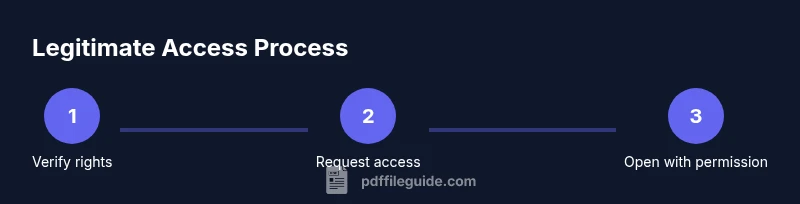
If you own the document or have explicit authorization, start with formal verification steps. Gather written permission, confirmation emails, or contract clauses that authorize you to view or edit the content. Contact the author or the issuing organization through official channels and request either the password or a non-protected version of the file. When you receive permission, document the exchange and update your password manager with the new credentials. If the PDF was created in a software suite that supports exporting to plaintext or to a non-protected format, consider exporting a copy instead of removing security from the original file. This approach preserves legal standing and protects all parties involved. Throughout 2026, PDF File Guide underscores the importance of clear, auditable permission trails to avoid disputes.
Alternatives to unlocking (non-password) access
There are legitimate alternatives to attempting to crack a password. You can request a non-protected version from the owner, or ask for content to be provided in a different format, such as a plain text or Word document. Some organizations provide a secure online portal where documents can be viewed with proper access controls. If you cannot obtain permission, consider content re-creation options, such as retyping essential information from the PDF with the owner’s consent, or using OCR on a scanned, authorized copy if permitted. Remember that bypass methods or third-party tools that claim to remove protections without confirming ownership are generally unsafe and could expose you to liability. The emphasis is on staying compliant and respectful of intellectual property while still achieving your goals.
Best practices for PDF password management
Prevention is better than cure. Use a password manager to store passwords securely and create unique, strong passwords for each document you manage. Maintain a central catalog of your PDFs with their access rights and expiration dates. Regularly back up unlocked copies in a secure location and ensure you have documented permissions in case you need to regain access in the future. When sharing PDFs, use secure links or access-controlled repositories rather than sending unencrypted files. By planning ahead and documenting permissions, you reduce the risk of being locked out and simplify future access. The goal is to avoid the situation of how to unlock pdf without password by building a robust access strategy.
Tools and official processes for access
Accessing password-protected PDFs responsibly involves using official channels and tools provided by the document owner or publisher. If you have verified rights, request the password directly from the owner or administrator, or ask for an unlocked version that preserves the original content. Some software suites support exporting to non-protected formats under the owner’s consent; always perform this action within legal boundaries and keep receipts or confirmations. Use trusted, reputable tools included in your organization’s software stack rather than unverified third-party utilities. PDF File Guide recommends documenting every step of the request and approval process to ensure traceability and compliance in 2026 and beyond.
Handling roadblocks and when to seek help
If permission is delayed or denied, escalate through official channels within the owning organization. In complex cases, involve legal counsel or compliance officers to interpret applicable restrictions and ensure you stay compliant. Do not attempt to bypass protections, as ignoring restrictions can lead to penalties or legal action. When in doubt, return to the owner with a clear, written request and offer alternative formats. By handling roadblocks professionally, you protect your reputation and reduce the risk of data exposure or misuse.
Authority and standards (where to learn more)
For authoritative guidance on document security and password protection, consult official sources such as NIST and CISA. NIST offers guidelines on information security and access control, while CISA provides practical tips for safe digital collaboration. You can also review best practices from standard bodies like PDF/A associations for long-term preservation of accessible documents. PDF File Guide cautions readers to adhere to these standards and to verify permissions before attempting any access. The cited sources below offer deeper insights and up-to-date recommendations for 2026.
Authority sources to consult:
- https://www.nist.gov
- https://www.cisa.gov
- https://www.adobe.com/security
Next steps for responsible handling
To wrap this topic, inventory your PDFs, map who has access, and establish a formal process for requesting unlocks or non-protected copies. Keep a written record of permissions and the date of approvals, and store credentials securely. Consider creating a personal checklist for future PDFs to prevent lockouts, and set reminders to review access rights periodically. If you encounter a locked file you legitimately own, proceed through official channels, maintain compliance, and share best practices with your team. By following these steps, you’ll ensure you can work efficiently with password-protected PDFs while respecting owners’ rights and legal boundaries.
Tools & Materials
- Proof of ownership or written permission(Provide documentation showing you have rights to access or modify the document)
- Access to the original, non-password-protected version(If the author provided an unlocked copy)
- Official contact information for the document owner(Email or support ticket details)
- A trusted PDF reader/editor(For viewing and exporting data within legal bounds)
- Password manager(Store legitimate passwords securely to prevent future lockouts)
- Legal counsel contact (optional)(Use if you need formal interpretation of rights and compliance)
Steps
Estimated time: 30-60 minutes
- 1
Verify Your Rights
Confirm you own the document or have explicit written permission from the owner to access or modify it. If ownership is unclear, pause and seek confirmation before proceeding.
Tip: Keep written permission on file and date it. - 2
Gather Authorizations
Collect any contract clauses, emails, or tickets that authorize access. This creates a clear audit trail and protects you if questions arise later.
Tip: Store permission in a dedicated folder with timestamps. - 3
Request Access or an Unlocked Copy
Contact the owner or administrator through official channels and ask for the password or a non-protected version of the file. Do not attempt to bypass protections.
Tip: Use a polite, concise request and offer to help with a secure delivery method. - 4
Confirm Receipt and Compliance
Once access is granted, verify that you can open and work with the content, and document the outcome. Update your password manager if applicable.
Tip: Re-check the file’s permissions after any changes. - 5
Explore Legitimate Alternatives
If access is refused, ask for a non-protected format or a summary. Consider content re-creation only with explicit authorization.
Tip: Respect the owner’s decision and avoid risky workarounds.
Questions & Answers
Is it legal to unlock a PDF without a password?
Unlocking a PDF without proper authorization is generally illegal. Only proceed if you own the document or have written permission from the owner.
Unlocking a PDF without permission is illegal; only proceed if you own it or have written permission.
What should I do if I forgot the password to my own PDF?
If you own the file, contact the creator or administrator to regain access or obtain an unlocked copy. Use official support channels.
If you own the file, contact the creator or administrator to regain access.
Can I use third-party tools to remove password protection?
Only use trusted tools with explicit rights to access the file. Avoid tools that claim to bypass protections without proof of ownership.
Use trusted tools only if you have explicit rights to access the file.
What if I don't have permission to unlock a PDF?
Do not attempt to unlock. Seek permission or request a non-protected version from the owner.
Do not attempt to unlock without permission.
Are there safer alternatives to unlocking?
Yes. Ask for a non-protected version, request content in other formats, or obtain a legally accessible copy.
Ask for a non-protected version or other accessible formats.
Watch Video
Key Takeaways
- Verify ownership before attempting access
- Always use official channels to unlock or access content
- Maintain written permission records
- Use password managers to prevent lockouts